Copper jewellery has a reputation problem. It turns fingers green, it dulls, and it seems to ask more of you than a plain silver band ever did. The reputation is only half fair. Copper is a reactive metal, which is precisely why it shifts colour against your skin and ages into the warm, deep finish that plated pieces cannot fake. What it needs is not fuss, just a few habits. Here is how to wear it, clean it and store it without stripping the character that made you buy it in the first place.
Why Copper Changes Colour
New copper is bright: a warm pink-orange that looks almost salmon in daylight. Left alone, it reacts with oxygen, moisture and the acids on your skin, dulling to a soft brown, then to a darker bronze, and eventually to a green film known as verdigris. That layering is called patina, and it is a protective skin of its own rather than damage.
Some makers seal pieces with a clear lacquer to hold the bright finish. Others sell them antiqued deliberately. Both are fine, but they need different care. If you cannot tell which you have, rub a tiny spot on an inner edge with a soft cloth and a drop of lemon juice. If the colour lifts easily, the copper is bare. If nothing happens, it is coated.
Copper and Your Skin: What's Actually Happening
The green or grey mark left on a finger is the most common worry, and it is usually not an allergy. Copper reacts with sweat, salt and the acids in cosmetics to form copper salts, which transfer to skin. It is harmless, washes off with soap, and how strongly it shows depends on your body chemistry, the weather and how tightly the piece sits.
Genuine metal sensitivity is a different thing. Reactions are most often triggered by nickel, which appears in some alloys, and by plating that has worn through. Pure copper suits most people, but sensitive skin can still react to any metal in prolonged contact.
If a piece leaves your skin red, raised, hot or itchy rather than merely green, take it off and keep the area clean and dry. Speak to a pharmacist or your GP if it does not settle within a few days, and do not keep testing the piece on broken skin.
How to Wear Copper Jewellery Sensibly
Most copper damage is caused by things you would never think about.
- Put jewellery on last. Perfume, hairspray, sunscreen and hand cream all speed up tarnishing. Let them dry before you clip on a cuff or slide on a ring.
- Take it off first. Showers, baths, swimming pools and hot tubs are the worst places for it. Chlorine and salt water both accelerate corrosion.
- Skip it for the gym. Sweat plus friction is hard on any metal, and copper marks skin fastest when it is damp.
- Favour a slightly loose fit. A ring or cuff that lets a little air circulate traps less moisture and marks your skin less.
- Rotate your pieces. Wearing the same cuff every day in humid weather speeds up the change. Give it a rest.
- Mind the housework. Cleaning products, bleach and a morning of gardening will dull a bright finish in one afternoon.
Cleaning Copper Without Ruining It
For a bare copper piece that is simply dull, start gentle and work up.
- Wipe it with a dry, soft cloth. An old cotton t-shirt works well.
- Wash in warm water with a drop of mild washing-up liquid, using a soft toothbrush for crevices and chain links.
- Rinse and dry immediately. Water left sitting in a crevice is what causes spotting.
- For heavier tarnish, make a paste of lemon juice or white vinegar and a little salt. Rub it on with a cloth for around 30 seconds, rinse thoroughly, then dry.
- Buff with a soft cloth. If you want more shine, use a jeweller's rouge polishing cloth rather than an abrasive pad.
Things to leave in the cupboard: bleach, ammonia, scouring pads and silver dip. Silver dips are formulated for silver and can strip a copper finish unevenly. Never put copper jewellery in a dishwasher.
Coated or lacquered pieces take almost no cleaning. A damp cloth and a dry buff is the whole job, because acids will eat through the lacquer and leave patchy, matte spots. Beaded pieces need the same restraint: keep lemon, vinegar and salt away from pearls, soft stones and cord.
Test any method on a hidden spot first, and do not polish a piece you like the patina on. Polishing removes metal; a gentle clean does not.
Storing Copper So It Stays Wearable
Dry beats pretty. A velvet-lined box in a steamy bathroom will tarnish copper faster than a plain zip bag in a bedroom drawer.
- Keep pieces in a small airtight container or a resealable bag, ideally with an anti-tarnish strip.
- Store items separately so clasps and edges do not scratch each other.
- Hang or lay chains flat. Coils and knots are harder to undo than they are to prevent.
- Keep copper away from rubber bands, wool and some leathers, which can release sulphur compounds that darken metal.
- Leave patina pieces out if you want them to keep ageing. Seal them away if you do not.
A Two-Minute Routine
You do not need a cabinet of potions. After each wear, wipe the piece with a dry cloth, check it is not damp, and drop it into its bag. Once a month, give anything dull a wash in mild soapy water. Once a season, deal with real tarnish using the paste method.
Wear it, wipe it, put it away dry. Copper rewards the small habit far more than the occasional deep clean.
Where to Start
If you are new to copper, begin with one piece you will actually wear: a cuff, a simple chain or a ring that is not too tight. Wear it for a week and see how your skin responds and how the colour develops. Some people love the deepening bronze; others prefer the shine and will want a lacquered finish next time.
Either way, keep your expectations realistic and your storage dry. Copper is not a metal that stays exactly as you bought it, and that is the appeal. Look after it lightly, and it will look better in a year than it did in the shop.
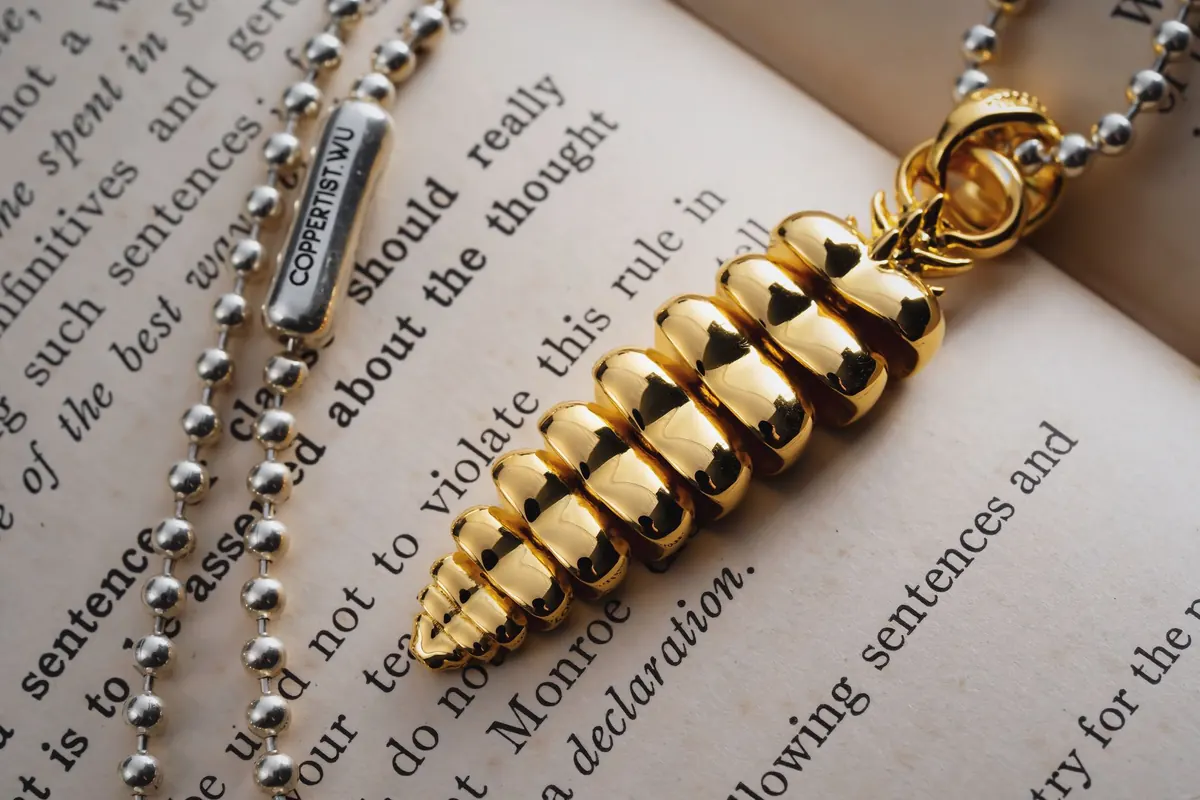
Photo: COPPERTIST WU / Pexels