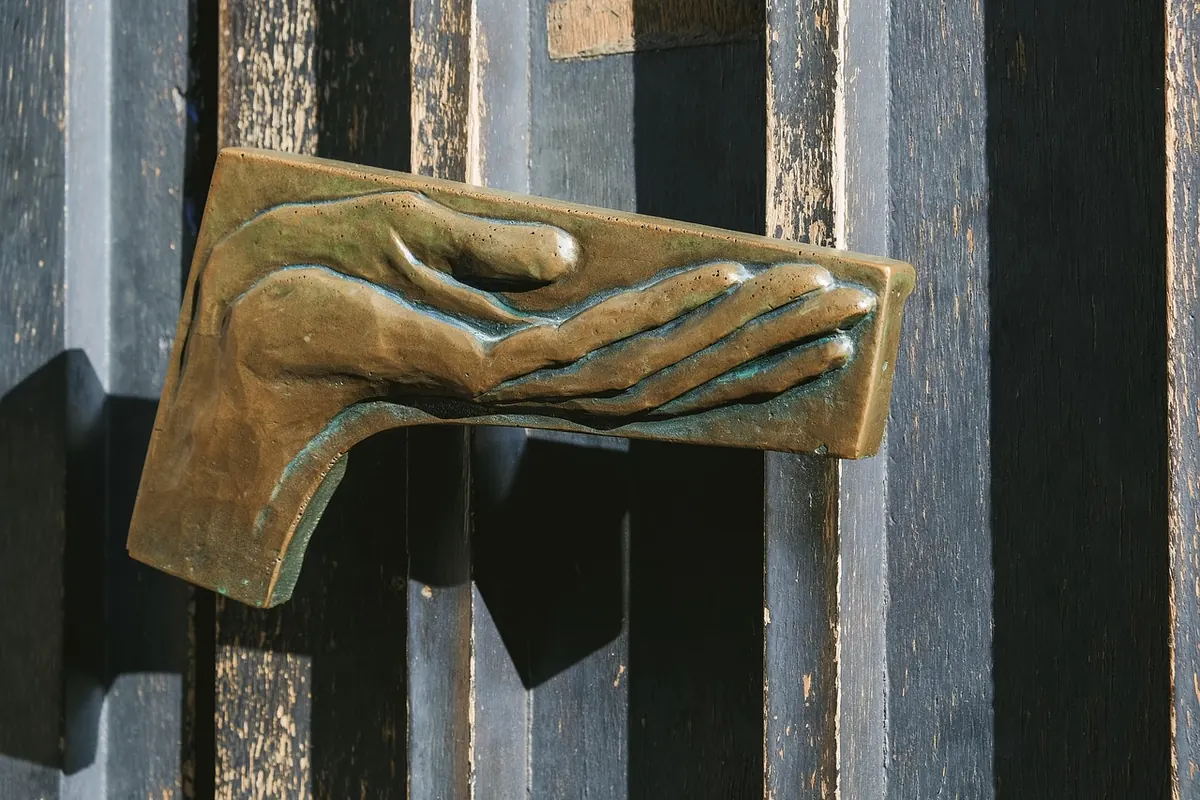
Copper hardware has an advantage over most metals: it looks better as it ages. That does not mean it looks after itself. A front-door handle takes a daily beating from hands, keys, rain and road grit. Cabinet knobs collect cooking grease. Letter plates, gate latches and outdoor light fittings sit in the weather all year, and coastal air is harder on them still.
Copper asks for very little in return — a wash, a wax, a glance at the fixings now and then. What follows is a seasonal routine you can realistically keep to: roughly ten minutes per item each season, plus a two-minute once-over in between.
Know Your Finish Before You Touch It
Not all copper hardware behaves the same way, and the wrong cleaner can do lasting damage. Identify the finish first.
- Bare, unlacquered copper — a living finish. It darkens to warm brown, then develops green verdigris outdoors. Nothing is wrong with it. Waxing slows the change but will not stop it.
- Lacquered copper — a clear coating holds the bright pink-orange tone. Abrasives, solvents and ammonia-based cleaners will cloud, streak or lift it.
- Copper-plated pieces — plating wears through on high-touch areas such as handles and push plates. Clean gently and infrequently.
- Powder-coated or painted finishes — treat exactly like painted metal. Mild soap only, no solvents, no scouring pads.
- Copper rainwater goods — guttering, hoppers and downpipes. They patinate beautifully, but they need leaves cleared out.
When in doubt, start with the mildest method — warm water and a soft cloth — and see how the surface responds.
Spring: Wash Winter Off and Take a Proper Look
Spring is the deep clean, and the best moment to catch small problems before they become expensive ones.
- Brush before you wet anything. Grit and dried salt crystals scratch. Use a soft brush or dry cloth to lift loose debris first.
- Wash with warm water and two or three drops of mild, pH-neutral washing-up liquid, using a microfibre cloth. No wire wool, no scouring pads.
- Rinse with clean water so no soapy film dries onto the metal.
- Dry straight away with a soft cloth. Standing water leaves mineral spots, especially on bare copper.
- Inspect while everything is clean: loose screws, hardened washers, flaking lacquer, white bloom, green spots, stiff hinges, worn striker plates.
Keep home remedies away from lacquered surfaces. Vinegar, lemon juice and bicarbonate of soda all attack clear coats, and on bare copper they strip the patina you have spent years building.
Summer: Wax Once, Then Leave It Alone
Wax is the best protection you can give exterior copper, and it takes about five minutes per fitting. Use a microcrystalline or carnauba-based wax — the type sold for metal and furniture conservation. Silicone spray polish is the wrong product; it leaves a tacky film that traps grit.
Apply a thin coat with a lint-free cloth, working into edges, seams and the undersides where water sits. Let it haze, then buff with a clean cloth. Exterior pieces want this every three to six months; interior hardware once a year, or twice in a busy kitchen.
Resist the urge to polish everything bright. Patina is a finish, not dirt, and it is the reason most people choose copper in the first place.
A copper handle that has darkened to the colour of chocolate is not neglected. It is doing exactly what copper does.
Autumn: Get Ahead of Salt and Rain
This is the season for the jobs that make winter easy.
- Tighten everything. Screws loosen with seasonal movement, and loose hardware lets water into the timber behind it.
- Clear gutters, hoppers and downpipe grilles so water cannot sit against copper fittings.
- Lubricate moving parts with a dry graphite or PTFE lubricant. Oil suits hinges, but keep it off exposed copper faces, where it gathers grit and darkens unevenly.
- Wax exterior pieces before the gritting season, while the metal is clean and dry.
- Check fixings for corrosion. Where copper meets timber or steel, stainless steel screws outlast mild steel ones.
- Coastal homes: plan a monthly rinse from autumn through spring. Salt air is relentless.
Winter: Little and Often
Rinse salt residue off with lukewarm water every few weeks — a watering can is enough. Sweep grit away from the door rather than letting it pile up against the threshold. Wipe handles and letter plates dry after heavy rain. Never use hot water or a metal scraper on cold metal.
Watch for green run-off. Verdigris is harmless to the copper, but it stains sandstone, limestone and pale render, so keep an eye on whatever sits directly below an exposed fitting. Be cautious with acidic brick and patio cleaners near copper, too — they react with the metal.
The Two-Minute Monthly Once-Over
- Wipe handles, letter plates and knockers with a dry cloth.
- Press and twist each fixing to check for movement.
- Look at undersides and lower edges, where water and salt collect.
- Test latches, bolts, hinges and gate closures for smooth action.
- Wipe kitchen knobs and drawer pulls with a damp cloth, then dry — cooking grease dulls copper quickly.
- Note anything new: bloom, spots, flaking, stiffness.
Common Problems and What to Do
Green spots and verdigris
Harmless copper carbonate, common outdoors. Dry-brush it gently and wax over it to slow it down, or leave it if you like the look. Keep it off porous stone.
White water marks
Hard water minerals. A damp cloth and a little mild soap usually lifts them; dry afterwards. Stubborn marks on bare copper may need a non-abrasive metal polish.
Cloudy or flaking lacquer
Once a clear coat fails it traps moisture underneath. On an antique or valuable piece, speak to a conservator or restorer before stripping anything. On a modern reproduction, the coating can be professionally renewed, or removed so the copper patinates naturally.
Fingerprints and fine scratches
Fingerprints come off with a soft dry cloth. For light scratches on unlacquered metal only, use a non-abrasive polish sparingly and work along the grain.
A Rhythm That Lasts
Two dates in the diary — one in spring, one in autumn — will keep copper hardware in good order for decades. Add the monthly two-minute wipe-down and you will rarely need anything more. If you use solvents or metal polishes, work in a ventilated space and wear gloves, and test any product on a hidden area first. For anything old, rare or particularly valuable, take advice from a metal conservator before you touch it; patina that took a century to form cannot be hurried back.
Copper rewards consistency rather than effort. Treat it as a material that is ageing alongside your home, and the hardware you fit today will look better in ten years than it does now.
Photo: Couleur / Pixabay