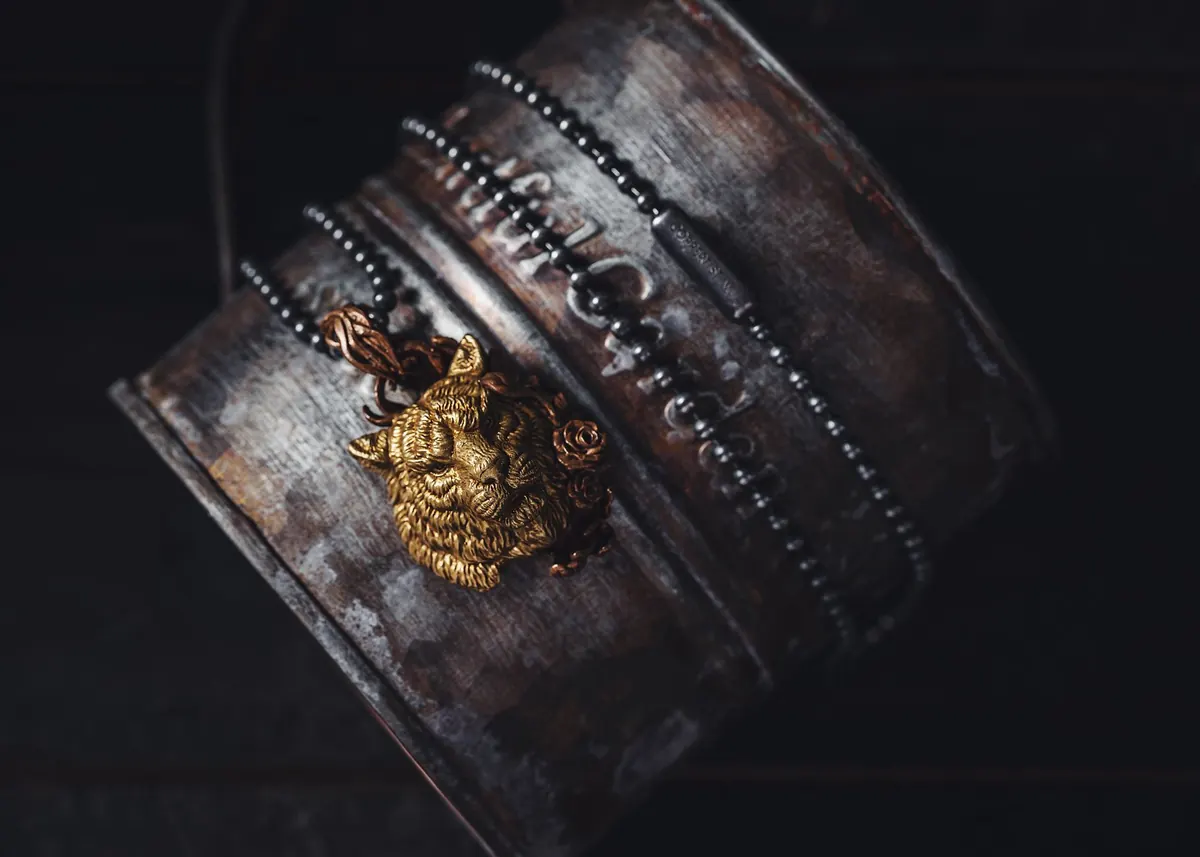
Copper, brass and bronze sit together in the same warm corner of the jewellery box, and they are often sold side by side. But they behave quite differently on the body, in a drawer, and after a year of wear. A brass cuff that looks almost golden on day one will dull to a soft brown; a polished copper bangle can go dark within weeks and then, in the wrong conditions, green. Knowing which metal you are buying — and why a maker chose it — is the difference between a piece you love for a decade and one that sits unworn.
What Each Metal Actually Is
Copper is an element rather than a mixture. Jewellery sold as copper is usually close to pure, which is why it feels soft, bends instead of snapping, and warms quickly against skin.
Brass is copper with zinc added, often 20–40 per cent of the mix depending on the grade. Zinc shifts the colour towards yellow and makes the metal harder and springier, which is why brass became the workhorse of affordable gold-toned jewellery.
Bronze is copper with tin — traditionally around a tenth of the mix, though many modern bronzes replace tin with aluminium, silicon or manganese. The result is a denser, harder metal with a deeper colour and a slower tarnish.
One caution: "brass" and "bronze" are sometimes used loosely in product listings. Check whether a piece is solid alloy, plated, or simply named after its colour. Base metals are not hallmarked in the UK the way gold, silver and platinum are, so the maker's own description is what you rely on.
Appearance: What They Actually Look Like
- Copper: a warm, pinkish salmon tone, brightest when new or freshly polished. It reads as a deliberate, earthy choice rather than a substitute for gold.
- Brass: yellow, and at its most polished genuinely close to a gold tone, though cooler and more sharply yellow than 9ct gold. It settles into a mellow, slightly brownish sheen.
- Bronze: deeper and browner-gold, often with a satin rather than mirror finish. It darkens to a chocolate-brown patina that plenty of wearers prefer to the shine it started with.
Tone matters as much as the metal. Warm skin tones tend to carry all three easily, while very cool or pink undertones often find bronze more flattering than bright yellow brass. If you are unsure, test the water with earrings or a slim bangle before buying a heavy collar or cuff.
Durability: How They Cope With Daily Wear
Copper is the softest of the three and shows wear fastest. A thin copper ring worn every day will flatten and scratch, and a clasp made from it will loosen over time. Where copper earns its place is in pieces not asked to hold shape under stress: bangles, pendants, earrings and hammered designs where small marks look intentional.
Brass is noticeably harder and holds a crisp edge well, which is why it dominates cuffs, sheet-metal work and wire designs. Its weakness is fatigue. Bend a brass wire back and forth and it work-hardens and eventually cracks rather than flexing smoothly. Treat it as a metal for structure, not for constant adjustment.
Bronze is the toughest and the heaviest. Cast bronze rings, clasps and settings shrug off knocks that would deform copper. The trade-off is weight: a chunky bronze pendant can feel substantial by evening, so check the gram weight when buying online.
Tarnish and Patina
All three metals react with air, moisture, sweat and cosmetics. The difference is speed and appearance.
Copper starts changing within days: brown first, then dark, then — in damp or sweaty conditions — the green film known as verdigris. Many wearers like the aged look. If you don't, plan on regular polishing.
Brass dulls more gradually to a brownish tone and can also leave green marks where it contacts skin, especially in summer. Bronze changes slowest, settling into a deep brown patina that develops evenly and is often the whole point of buying it.
Lacquer is used on a lot of copper and brass jewellery to slow this process. It works well until it wears through at the high points, at which stage the finish looks patchy. If you would rather maintain the metal yourself, look for pieces described as raw, uncoated or unfinished.
Sensitive Skin and Green Marks
The green or grey mark copper and brass leave on skin is a harmless cosmetic effect — a copper salt forming where metal, sweat and air meet. It washes off, and it is more likely in hot weather or on more acidic skin. A thin layer of clear nail varnish on the inside of a bangle or the back of a pendant, reapplied occasionally, is a common workaround.
Genuine irritation is more often linked to nickel, which can appear in some alloys and plated finishes. UK rules limit nickel release from items intended for prolonged skin contact, but if you react easily, ask for nickel-free pieces and choose solid metals over plated ones. For a persistent rash, see a pharmacist or GP rather than guessing.
One thing worth saying plainly: copper bracelets are often sold with claims about joint pain, and the reliable evidence does not support them. Buy copper because you like it. For ongoing joint problems, speak to a healthcare professional.
Value: What You Are Actually Paying For
Copper is the cheapest of the three by material, brass next, bronze usually the most expensive. In practice the metal is a small part of the price — labour, design, casting and finishing drive the number far more than raw material does.
So judge the workmanship rather than the label: clean solder lines, even edges, a clasp that closes firmly. And be wary of "bronze" at a very low price. It may be a bronze-coloured plating over brass or steel, which will wear through at the edges within months.
Caring For Copper-Alloy Jewellery
- Take pieces off before showering, swimming or using cleaning products. Chlorine, salt water and household chemicals all accelerate tarnish.
- Store each item in a dry, airtight bag or box, ideally with an anti-tarnish strip, and keep pieces from rubbing against each other.
- Clean with warm water, a drop of mild washing-up liquid and a soft cloth. Rinse and dry thoroughly — trapped moisture starts the next round of tarnish.
- For heavy tarnish on uncoated copper, apply lemon juice or vinegar with a little salt briefly, then rinse at once. Skip this on lacquered, antiqued or stone-set pieces.
- Polish bronze lightly and learn to accept its patina. Over-polishing removes the depth that makes bronze worth choosing.
Choosing Between Them
Start with how the piece will be worn. For everyday rings, clasps and anything that must hold a stone securely, choose bronze, or brass if the design is sturdy. For earrings, pendants and statement bangles, copper is light, comfortable and full of character — just accept that it will change colour.
For a gold
Photo: COPPERTIST WU / Pexels